
Architecture has always transcended the mere concept of shelter; it serves as a mirror reflecting the identity of a region and the evolving needs of its inhabitants. From ancient times to the present, architectural designs have adapted to their environments, much like the ingenious igloos of the Arctic, which utilize packed snow to create thermal efficiency, minimizing heat loss in one of the harshest climates on Earth.
In recent years, the dialogue around architecture has dramatically shifted due to the increasing frequency of extreme weather events in North America. Superstorm Sandy in 2012 served as a wake-up call, prompting a collective reevaluation of how we prepare for the next big storm. The demands have evolved; architects are now focusing on elevated homes, resilient structures, and fire-resistant materials, reflecting a new paradigm in design that emphasizes both safety and sustainability.
However, it’s not just the threats posed by extreme weather that are shaping contemporary architecture. The pressing issue of water scarcity is also sparking creativity among architects. The challenge of drought is pushing professionals to design innovative rainwater harvesting systems, showcasing how functionality can become a symbol of ingenuity.
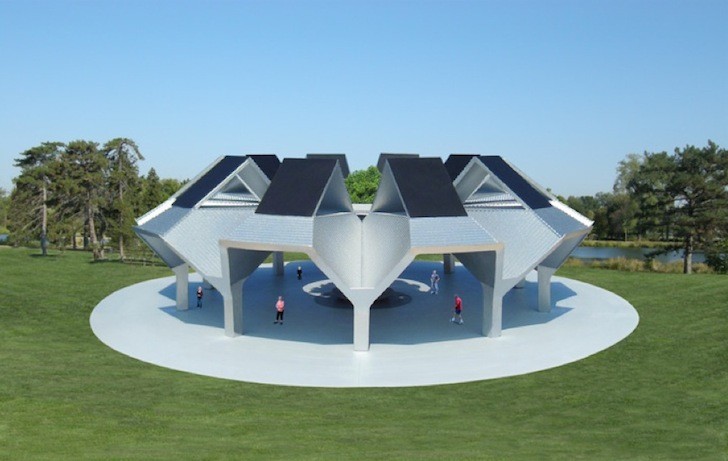
A prime example of this forward-thinking approach is architect Michael Jantzen’s Solar Rain Tree Oasis, unveiled in 2014 amidst California’s ongoing drought crisis. This open-air public pavilion is ingeniously designed with funnel-like roof indentations to collect rainwater and solar panels to harness energy. Jantzen’s design not only addresses the immediate water challenges facing California but also serves as a beacon of hope for sustainable architecture.
But Jantzen is just one of many architects championing rainwater harvesting solutions. Gone are the days when collecting rainwater was limited to simple buckets or traditional water towers. Today’s movement embraces a range of innovative designs—such as inverted roofs, pitched roofs, and butterfly roofs—that transform functionality into artistic expression. The result? Strikingly modern structures that meet practical needs while making a bold aesthetic statement.
Here’s a look at five remarkable structures where rainwater collection takes center stage in their design:
-
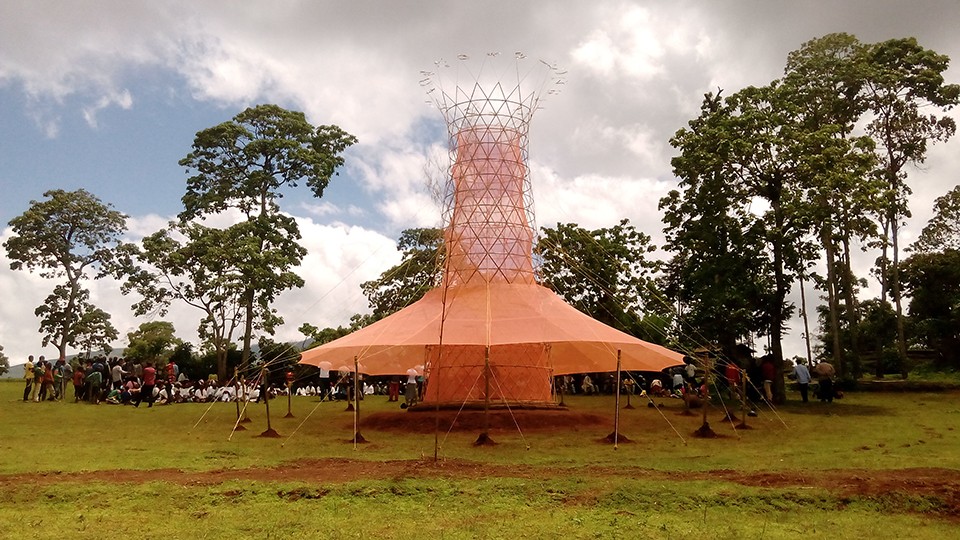
The Warkawater Tower in Ethiopia crafted by visionary architect Arturo Vitorri, is a remarkable bamboo structure ingeniously designed to extract water from the air. Drawing inspiration from bio-mimicry, local cultural practices, and the towering warka tree—an iconic fig species native to the region—this innovative design not only addresses pressing water scarcity issues but also celebrates Ethiopia’s rich ecological heritage. Its impressive effectiveness has sparked a global movement, leading to the construction of similar structures in remote areas grappling with water shortages, such as Haiti, Madagascar, Colombia, Brazil, India, and Cameroon. As the world continues to confront climate challenges, the Warkawater Tower stands as a beacon of hope and sustainability, showcasing how traditional wisdom and modern design can harmoniously blend to create impactful solutions for the future.
-
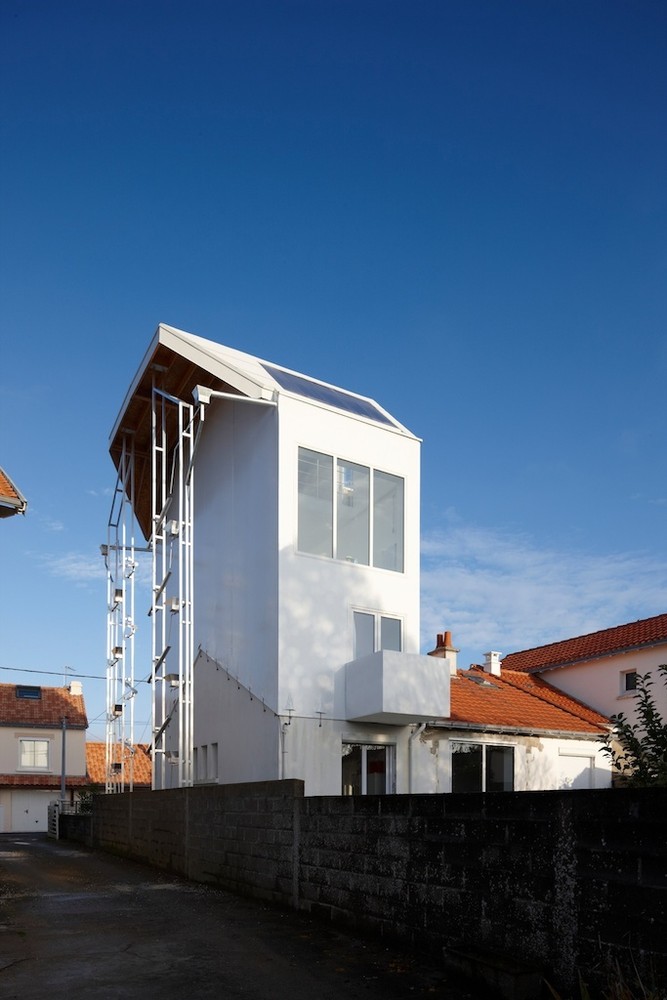
Shishiodoshi House in Rezé, France, might appear unassuming at first glance, but it embodies a harmonious blend of traditional Japanese aesthetics and modern sustainability practices. This innovative structure utilizes classic water features found in Japanese gardens, where rainwater gracefully cascades from the elegantly gabled roof into a cleverly designed cistern below. This design not only enhances the beauty of the landscape but also champions eco-friendly living by maximizing rainwater collection—an age-old practice that underscores the importance of sustainability in contemporary architecture. By embracing these time-honored techniques, Shishiodoshi House serves as a striking reminder of how nature and design can coexist in a meaningful way.
-
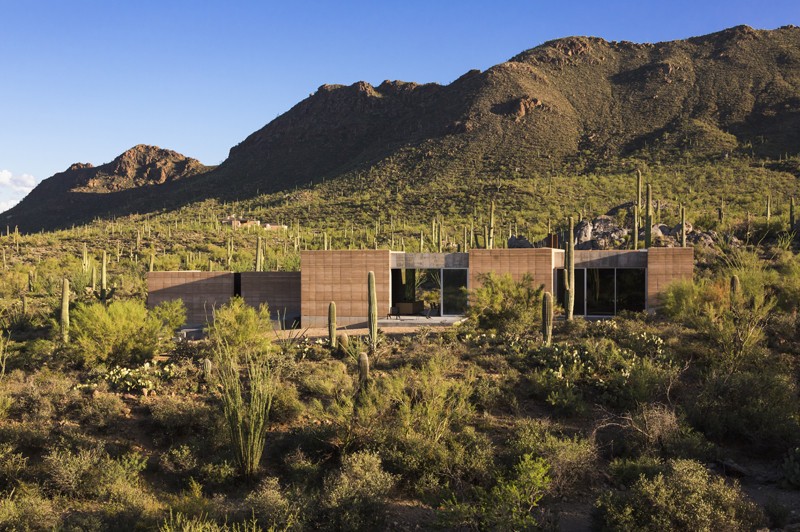
Nestled amidst the breathtaking landscape of Tucson, AZ, the Tucson Mountain Retreat seamlessly integrates modern design with its stunning desert environment, creating a home that is as functional as it is beautiful. This innovative structure not only celebrates the natural beauty of its surroundings but also prioritizes sustainability by harnessing solar energy through its carefully positioned facades, minimizing exposure on the eastern and western sides. With water scarcity in mind, the retreat features an impressive 30,000-gallon rainwater harvesting system, expertly designed to meet the family’s needs while promoting responsible water usage in an arid climate. This harmonious blend of eco-conscious living and architectural elegance makes the Tucson Mountain Retreat a standout example of how modern homes can thrive in desert conditions.
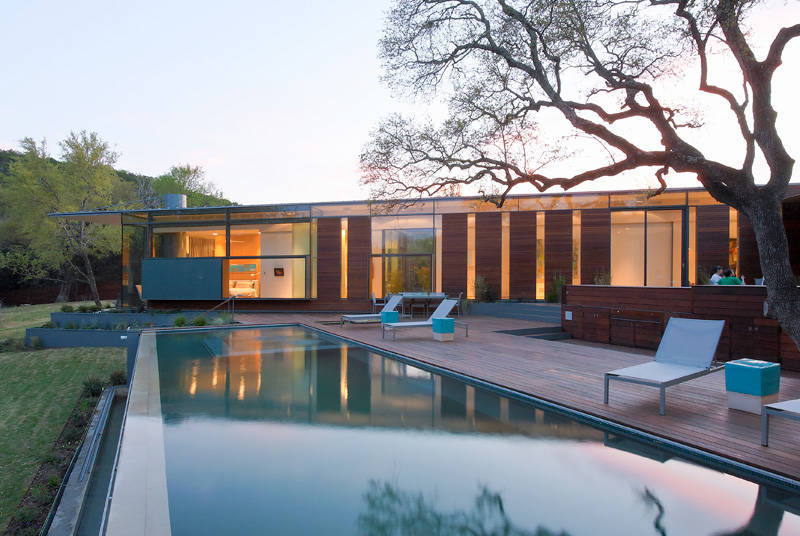
- Cascading Creek House in Central Texas showcases a remarkable interplay between architecture and the essential element of water. From the moment you observe its striking design, it’s clear that water is not just an aesthetic choice but a functional cornerstone of the building. The roof, ingeniously crafted to serve as a basin, not only collects rainwater but also integrates seamlessly with the home’s energy systems, including electricity and heating. This innovative approach creates an extensive climate control system that places water at the heart of the building’s sustainability efforts. As trends shift towards eco-friendly designs, Cascading Creek House stands as a compelling example of how architecture can harmonize with natural resources, elevating both functionality and environmental stewardship.
-
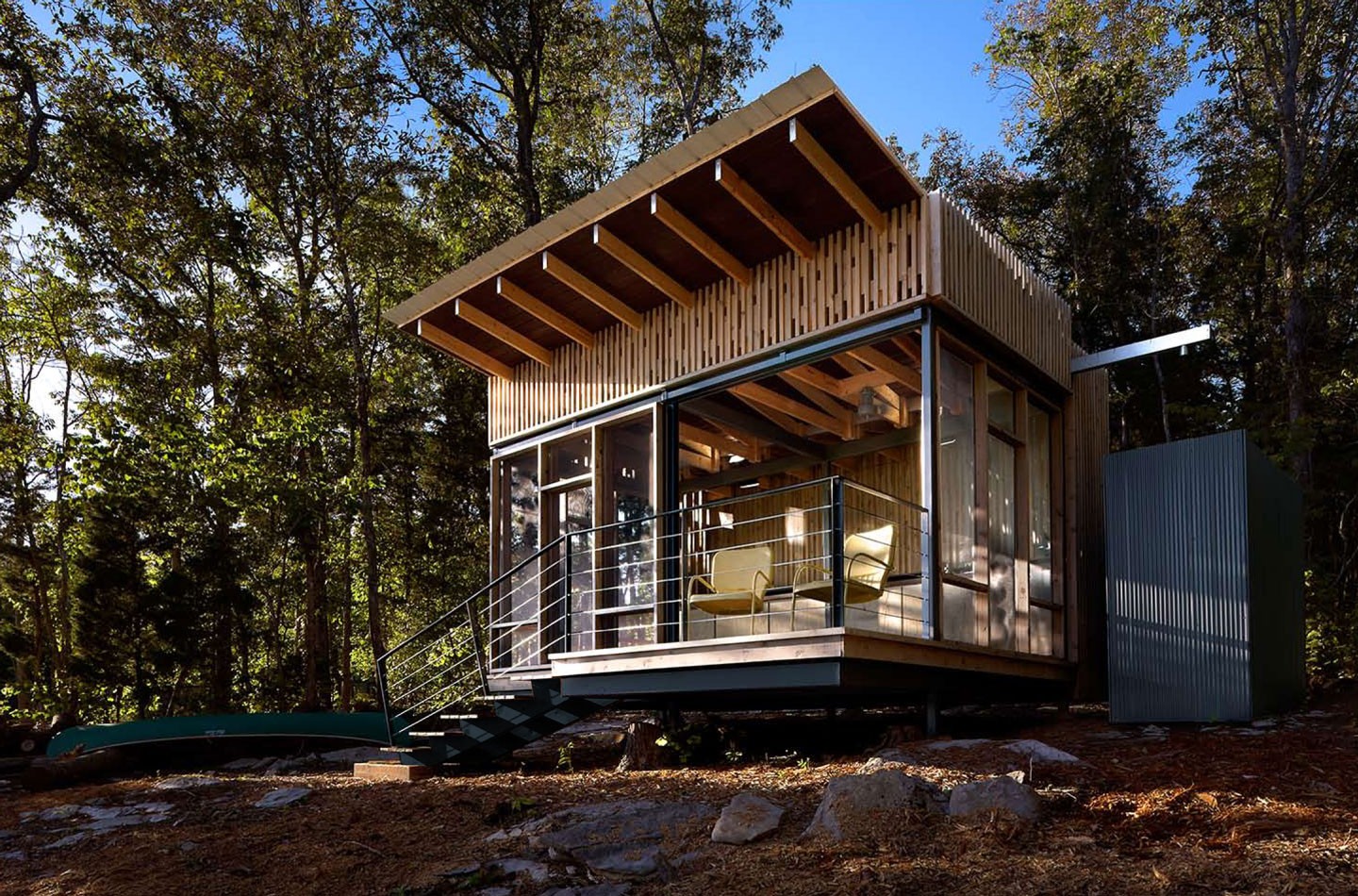
Cape Russell Retreat in Tennessee redefines off-the-grid living by seamlessly blending sustainability with innovative design. Featuring a striking butterfly roof system that inverts the traditional design, this cabin not only catches rainwater but also channels it into cleverly hidden cisterns. Once collected, the water undergoes a thorough purification process, utilizing advanced internal charcoal filters and ultraviolet light treatment to ensure it’s safe for drinking. This retreat isn’t just a getaway; it’s a commitment to eco-friendly living, showcasing the latest trends in self-sustainability while offering an idyllic escape into nature
The world of architecture is evolving, with an exciting wave of new projects that are redefining rainwater collection systems. One standout example is the concave roofs designed by BMDesign Studios in Iran. These ingeniously crafted structures not only enhance aesthetic appeal but also maximize rainwater harvesting efficiency, demonstrating a perfect blend of form and function.
As we continue to grapple with climate change, the urgency for sustainable design solutions has never been greater. Architects and designers worldwide are reimagining traditional methods, pushing boundaries to create buildings that harmoniously integrate with their environments. This trend goes beyond mere functionality; it reflects a growing awareness of how weather patterns can significantly impact architectural choices.
Looking ahead, we can anticipate even more innovative approaches to rainwater collection and other environmental strategies. As the climate continues to shift, architects will play a pivotal role in adapting to these changes, shaping buildings that are not only resilient but also responsive to their surroundings. Stay tuned as we explore how these trends will transform the landscape of architecture in the years to come.
Transform your next renovation or architectural design project by incorporating Portella’s exceptional steel doors and windows. Our high-quality products not only elevate the aesthetic of any space but also offer unmatched durability and performance. With the latest trends leaning towards sleek, modern designs, our offerings seamlessly blend functionality with style, creating stunning focal points in any building. Discover more about our innovative solutions and connect with us today to see how Portella can redefine your architectural vision and enhance the beauty of your project.